
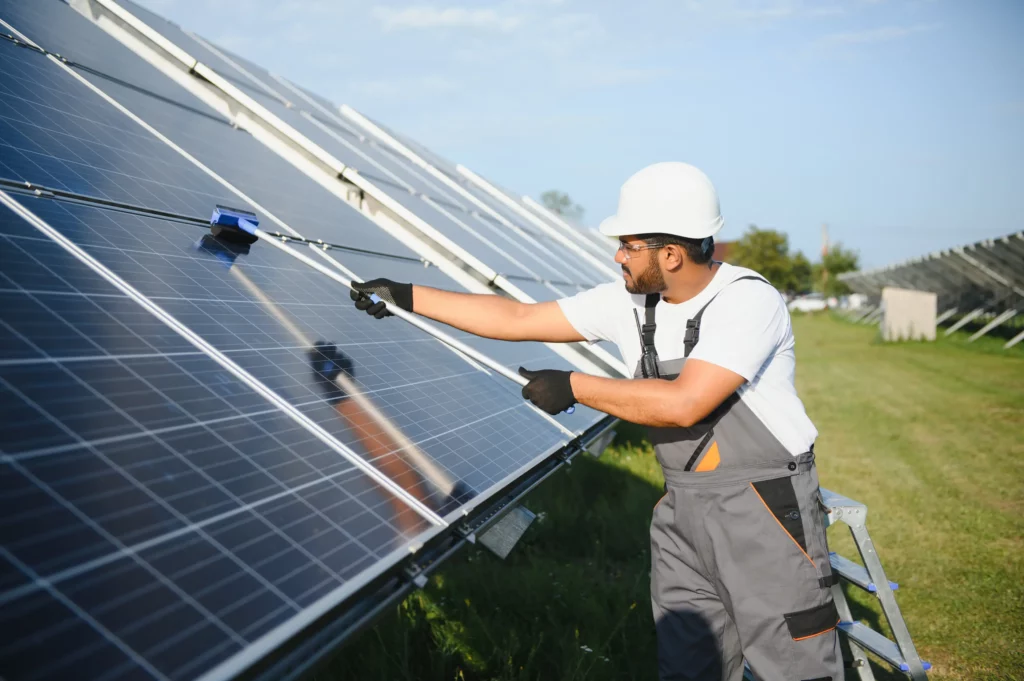
Solar panels are a smart long-term investment. They provide clean energy, lower electricity bills, and add value to your home. To keep your system working at its best for many years, regular solar panel maintenance is important. Most systems need only simple care, but routine checks can protect efficiency, reduce repair costs, and help keep warranties valid.
In this guide, you will learn the best solar panel maintenance tips, common problems to avoid, and how to keep your home solar system performing well for decades.
Why Solar Panel Maintenance Matters
Solar panels are built to last, but dirt, dust, leaves, pollen, and bird droppings can block sunlight. Even a light layer of debris may reduce energy production and lower your savings.
Proper maintenance for solar panels helps your system stay efficient, safe, and reliable. It can also extend the life of your equipment and support warranty coverage. Some systems may gain up to 10–15% better performance over time with regular upkeep.
Routine solar panels maintenance also helps spot small issues early before they become costly repairs.
Key Factors Affecting Solar Panel Performance
Dirt and Debris
Dust, pollen, leaves, and bird droppings can block sunlight and lower output.
Shade
Trees, new buildings, or seasonal shadows may reduce energy production.
Heat and Temperature Stress
Very hot weather or quick temperature changes can wear down panel materials over time.
Weather Damage
Hail, wind, snow, and heavy rain may damage panels, frames, or wiring.
Hardware Problems
Loose mounts, worn seals, or damaged wires can affect safety and performance.
Regular Maintenance Checklist: What to Do & When
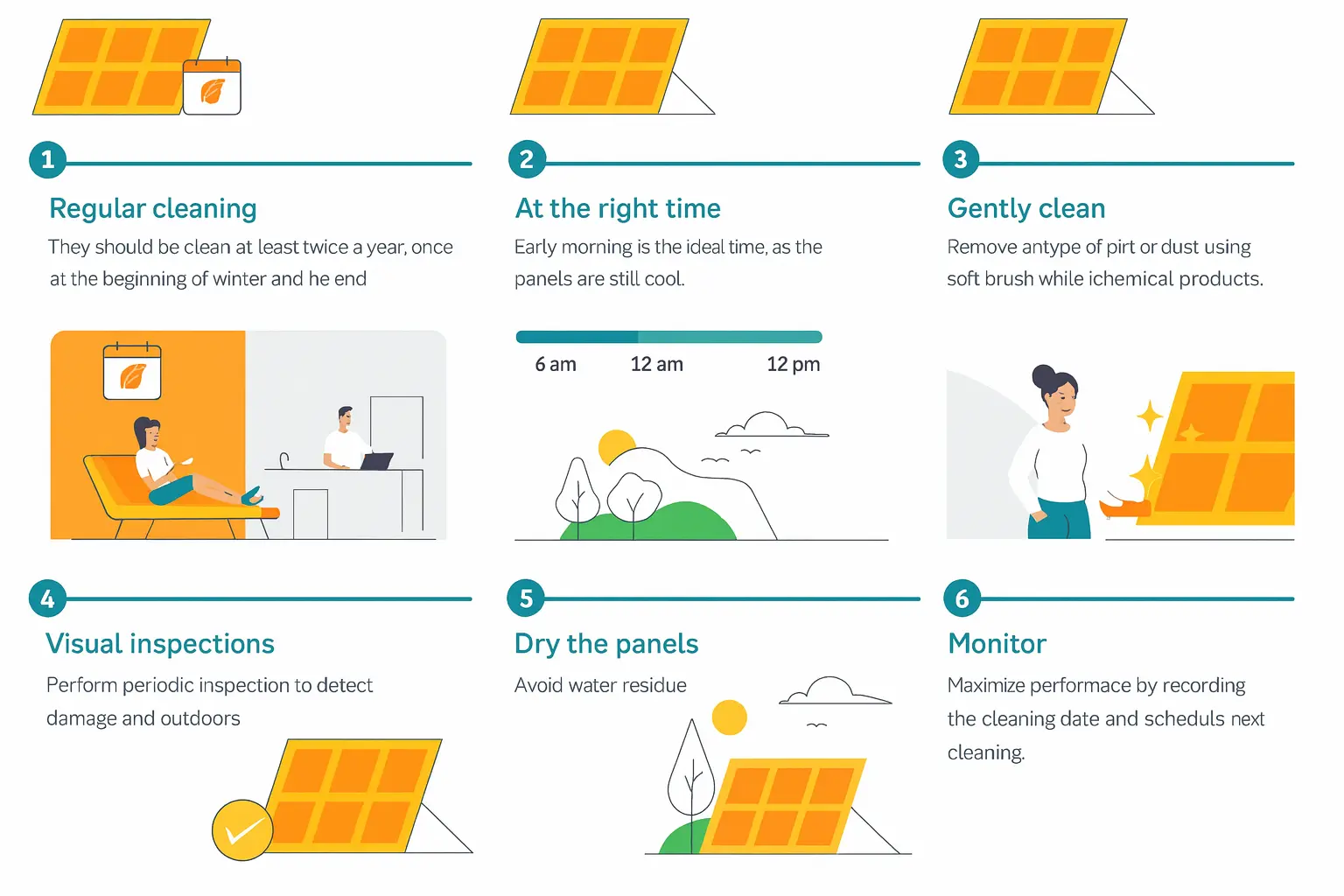
1. Schedule Regular Cleaning
Plan to clean your panels at least twice each year, usually in spring and fall. Homes in dusty, dry, or high-pollen areas may need quarterly cleaning. Clean panels absorb more sunlight and produce more power.
2. Clean at the Right Time
Choose early morning or evening when panels are cool. Avoid cleaning during hot midday sun, as sudden temperature changes may stress the glass.
3. Use Gentle Cleaning Methods
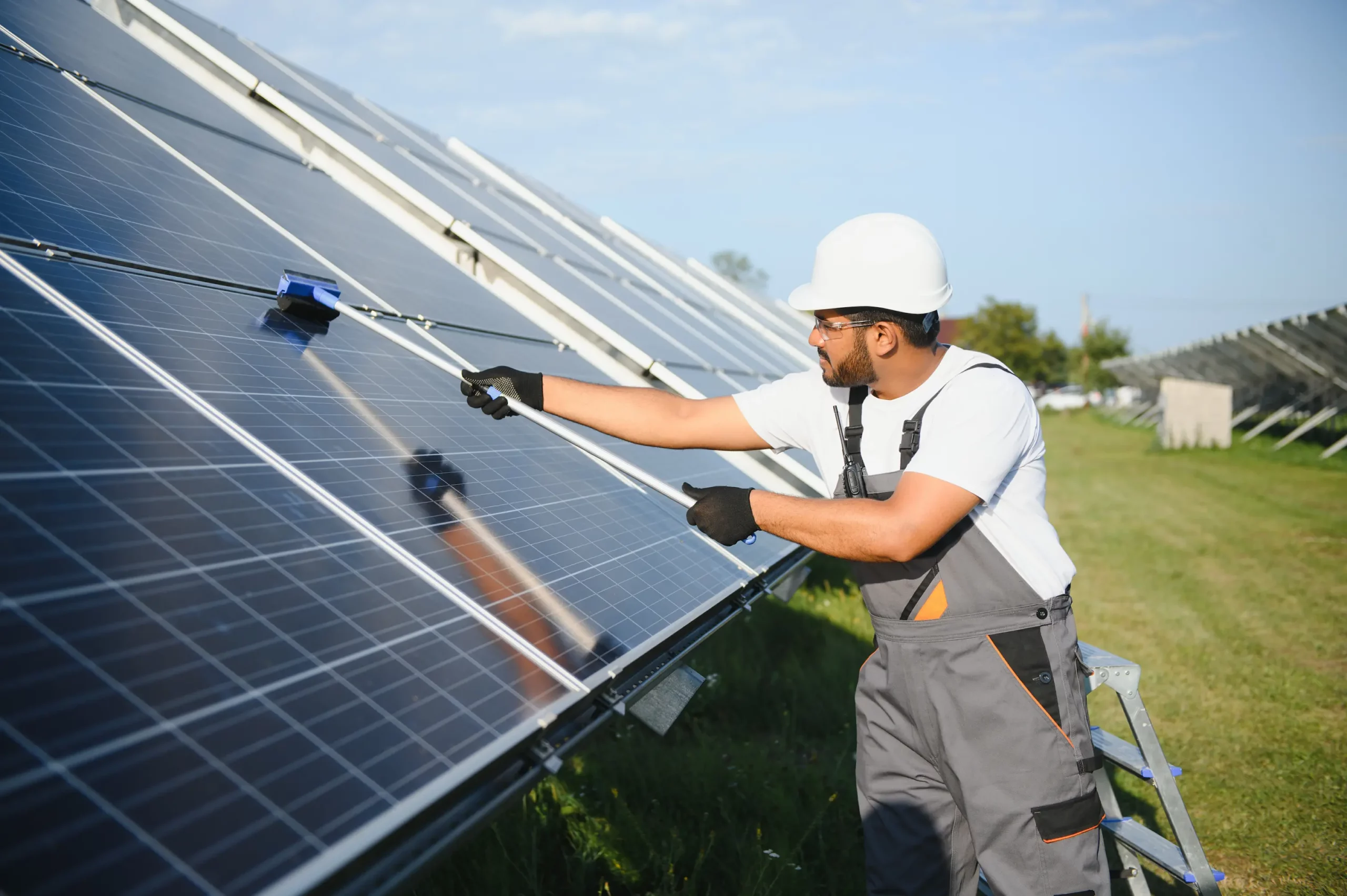
Use a soft brush, microfiber cloth, or mild soap mixed with water. Avoid harsh chemicals, rough tools, or pressure washers unless approved by the manufacturer.
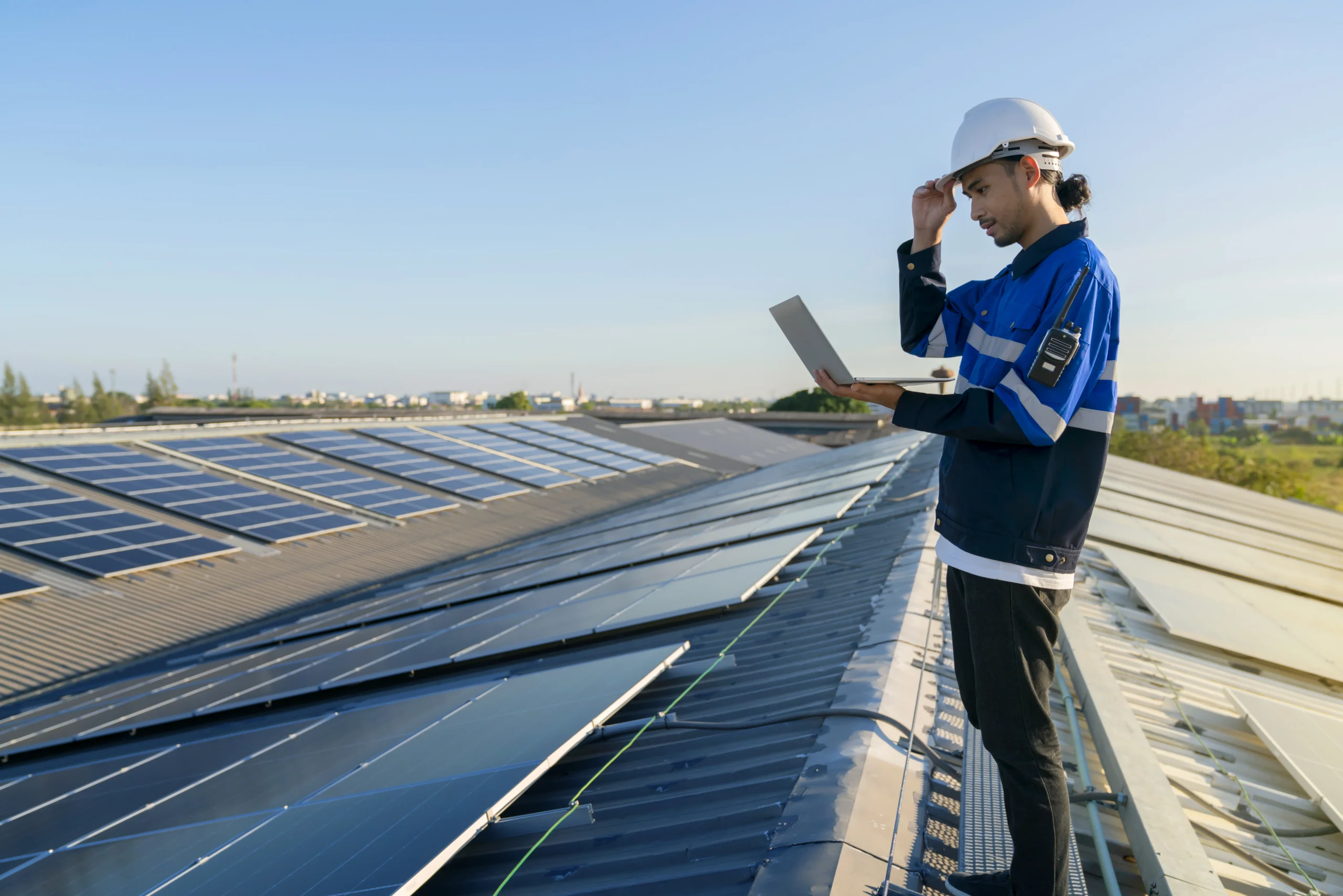
4. Inspect the System
Check for cracks, loose wiring, corrosion, or damaged mounts. Keep records of cleaning and inspections.
5. Monitor Energy Output
Use your solar monitoring app or inverter display. If production drops without reason, it may be time for service or repair.
Common Mistakes & How to Avoid Them
Cleaning Hot Panels
Cleaning panels in direct sun may cause thermal stress.
Using Harsh Tools
Steel brushes, rough pads, and strong chemicals can damage glass coatings.
Ignoring Shade Growth
Trees grow over time and may slowly reduce system output.
Missing Small Problems
Minor cracks or loose wires can become expensive repairs later.
Hiring Unqualified Contractors
Always choose trained solar technicians for repairs or inspections.
Benefits of Proper Solar Maintenance
Higher Energy Output
Clean panels produce more electricity.
Longer System Life
Regular care helps panels, inverters, and mounts last longer.
Lower Repair Costs
Finding issues early can prevent larger repair bills.
Warranty Protection
Many warranties require proper care and service records.
Better Environmental Impact
Efficient panels create more clean energy and reduce fossil fuel use.
How to Clean Solar Panels
1. Use Clean Water
Rinse with clean water. Distilled or filtered water is best because it helps prevent mineral spots.
2. Use Mild Soap if Needed
For sticky dirt, use a gentle detergent or solar-safe cleaner.
3. Use Soft Cleaning Tools
Use microfiber cloths, soft brushes, or non-scratch sponges.
4. Stay Safe
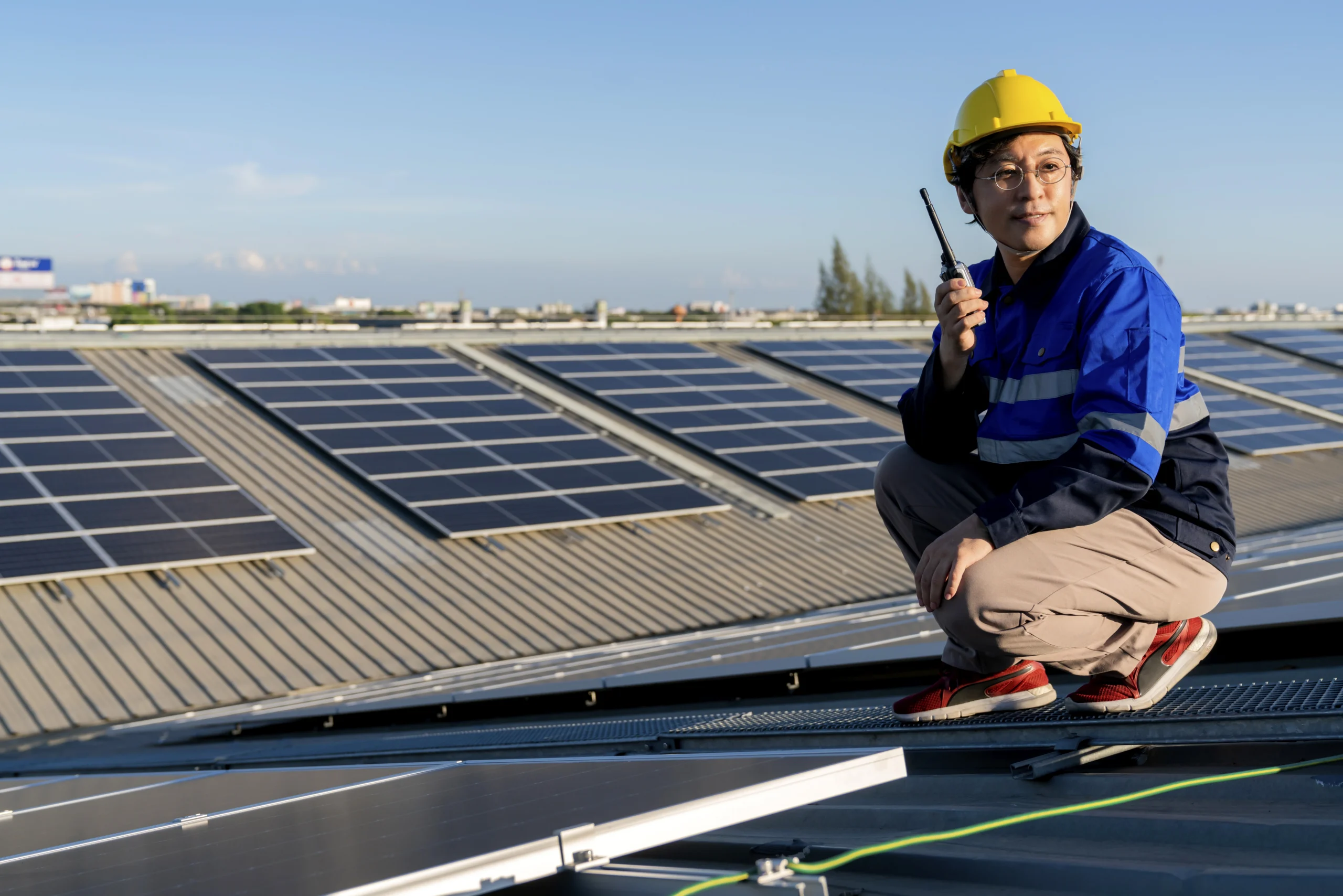
Use extendable tools from the ground when possible. If roof access is risky, hire a professional solar panel maintenance service.
FAQs
What type of maintenance is required for solar panels?
Solar panels need basic maintenance such as occasional cleaning, visual inspections for damage, and performance monitoring to ensure they work efficiently.
What is the 20% rule for solar panels?
The 20% rule means designing a solar system to produce about 20% more energy than your current usage to cover efficiency losses and future energy needs.
Do solar panels need any maintenance?
Yes, but very little. Regular cleaning and periodic checks are usually enough to keep solar panels running properly.
Should I spray water on my solar panels?
Yes, gently spraying water is safe for cleaning, but avoid high-pressure water and clean panels when they are cool.
Final Takeaways
Solar panel maintenance doesn’t need to be complicated or costly. By following a simple schedule of cleaning, inspecting, and monitoring, you can boost efficiency, protect warranties, and extend the life of your system. Start small: set reminders for your next inspection, review your warranty terms, and keep track of your energy output. With consistent upkeep, your panels will keep delivering clean, reliable power for decades to come.