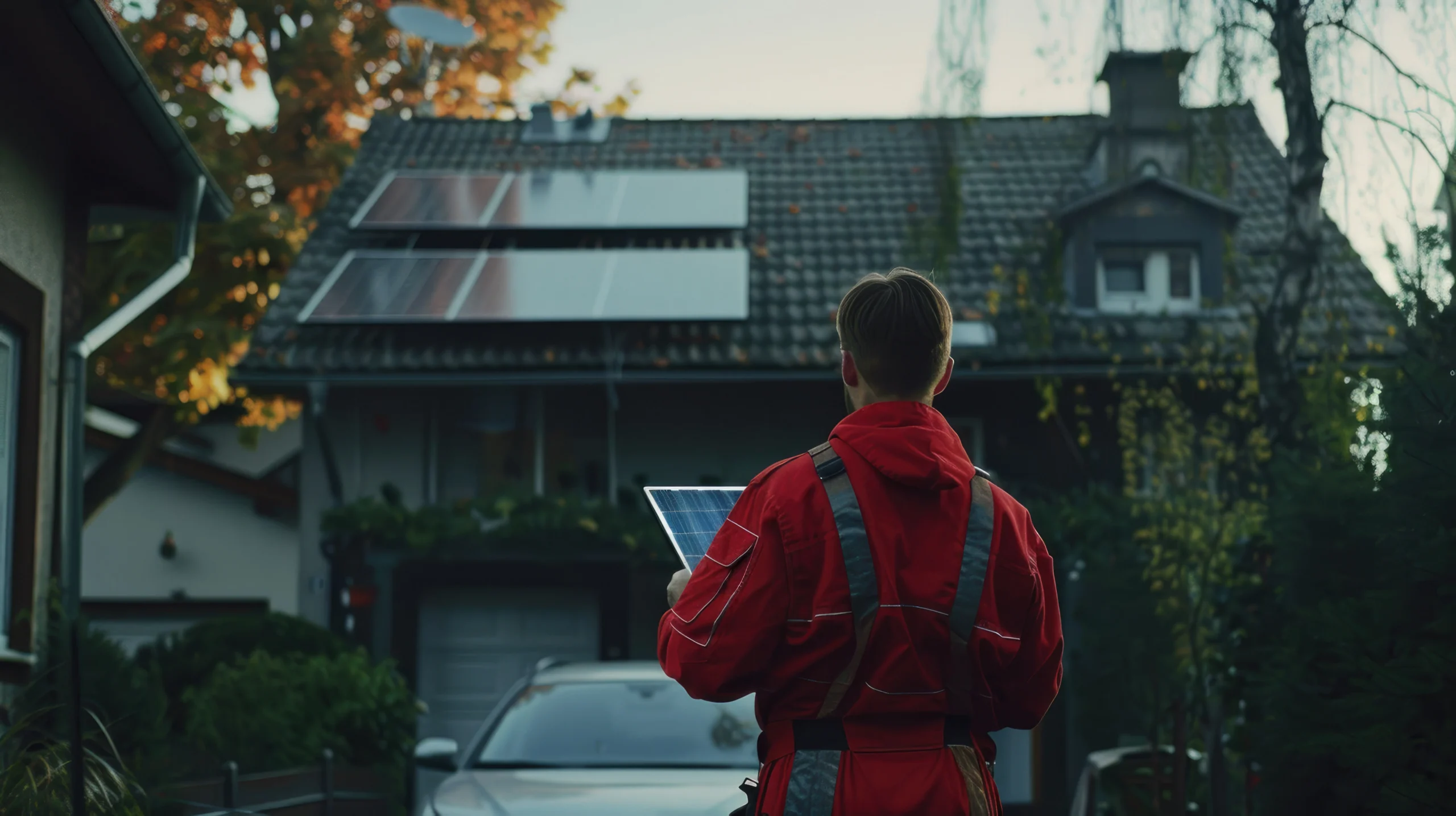
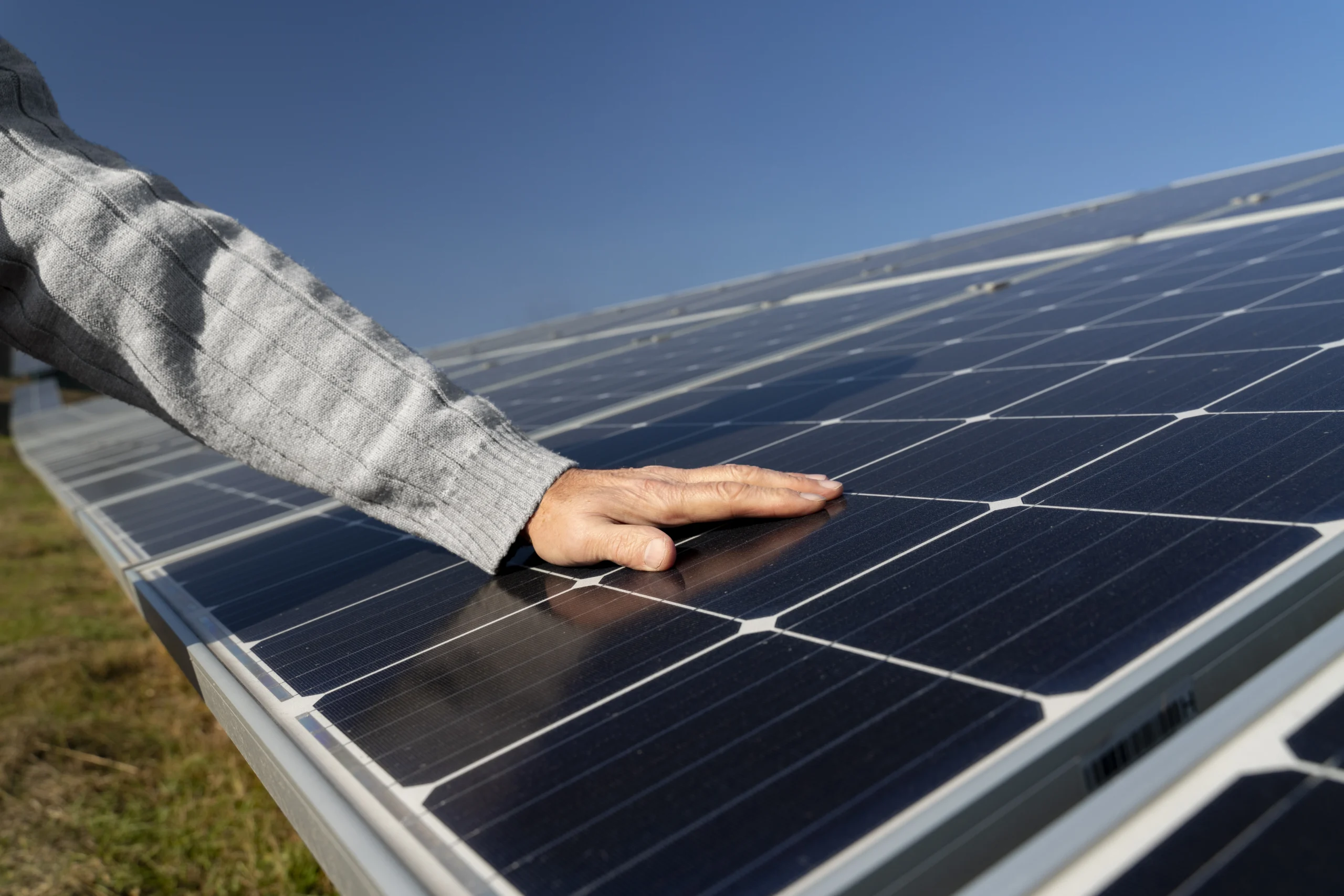
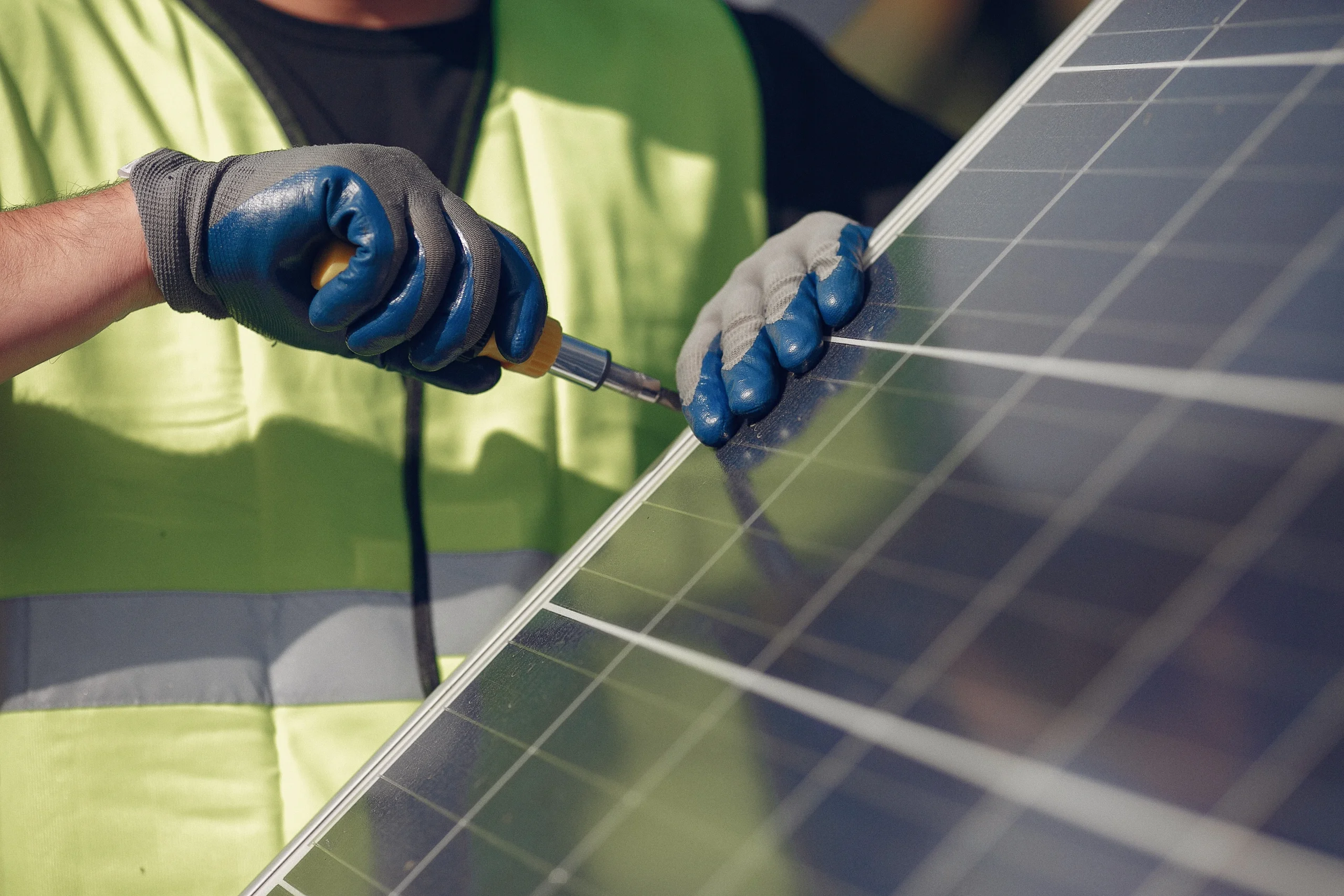
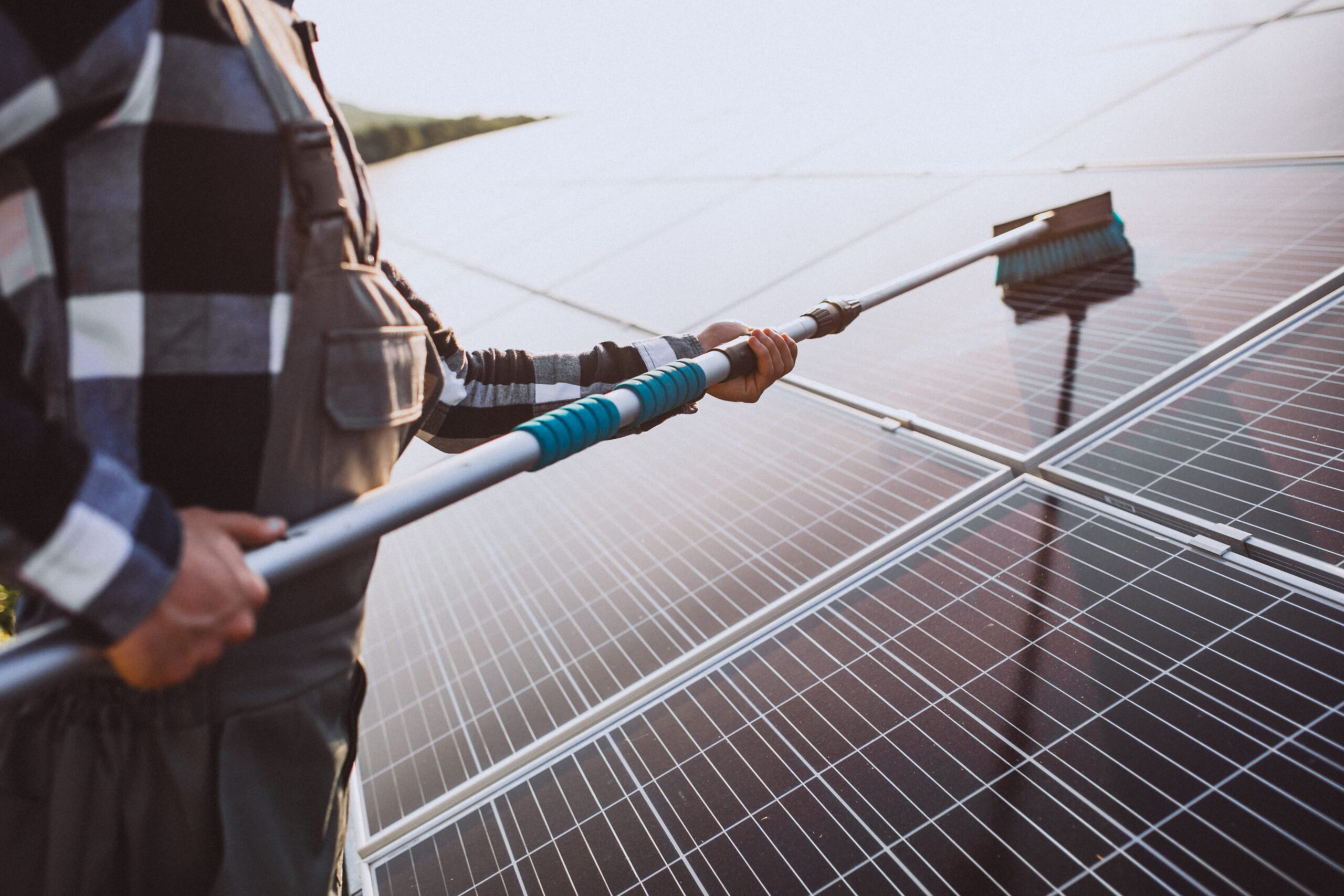
Installing solar panels is one of the best long-term investments you can make for your home. They help reduce electricity bills, increase energy independence, and provide clean, renewable power for decades.
One of the first questions homeowners ask is, “How long do solar panels last?” The good news is that modern solar panels are built to perform for many years. With quality equipment, professional installation, and regular maintenance, most residential solar systems continue generating electricity long after their warranty period.
At Evergreen Solar, we help homeowners choose reliable solar solutions that deliver long-term value. In this guide, you’ll learn how long solar panels last, what affects their lifespan, how to extend their performance, and what to expect throughout the life of your solar energy system.
How Long Do Solar Panels Last?
The simple answer is that most solar panels last 25 to 30 years, and many continue producing electricity well beyond that.
However, reaching the end of a panel’s lifespan does not mean it suddenly stops working. Instead, solar panels slowly become less efficient over time. This gradual reduction in power production is known as solar panel degradation.
High-quality solar panels typically lose only a small percentage of their efficiency each year. Even after 25 years, many systems still produce 80% to 90% of their original power output, making them a dependable source of clean energy for decades.
If you’re wondering how long does a solar panel last or how long do residential solar panels last, the answer depends on the quality of the equipment, installation, local climate, and ongoing maintenance.
At Evergreen Solar, we install premium solar panels designed to deliver reliable performance for decades, helping homeowners maximize both energy savings and return on investment.
What Is the Lifespan of a Solar Panel?
The lifespan of a solar panel is the number of years it can continue producing useful electricity.
Most manufacturers design solar panels to last:
- 25–30 years for residential systems
- 30 years or longer for many commercial installations
- 35–40 years or more for some premium panels that receive proper maintenance
While warranties often last 25 years, the panels themselves usually continue operating after the warranty expires.
Here’s what homeowners can generally expect:
Years 1–10
During the first decade, solar panels operate at very high efficiency with minimal performance loss.
Years 10–25
Power production slowly decreases due to normal aging, but the system continues generating significant electricity and reducing utility bills.
After 25 Years
Many homeowners are surprised to learn that solar panels don’t stop working after 25 years. Instead, they continue producing electricity, although at a slightly lower efficiency than when they were first installed.
This is why solar remains one of the most reliable long-term home improvements available today.
Do Solar Panels Stop Working After 25 Years?
No.
One of the biggest misconceptions is that solar panels become useless after 25 years.
In reality, they continue generating electricity for many more years. The difference is simply that they produce slightly less energy than when they were new.
Most quality panels lose approximately 0.3% to 0.8% of their efficiency each year.
For example:
- A new panel starts at 100% output.
- After 10 years, it may still produce around 96–97% of its original capacity.
- After 25 years, many panels continue producing 85–90% of their original output.
- Even after 30 years, many systems remain productive enough to provide meaningful energy savings.
This gradual decline is completely normal and is already considered in manufacturer performance warranties.
For homeowners asking how long will solar panels last, the answer is often much longer than the warranty period.
Understanding Solar Panel Degradation
Solar panel degradation refers to the gradual reduction in electricity production as panels age.
Every solar panel experiences some degradation because of long-term exposure to sunlight, changing temperatures, rain, wind, and seasonal weather conditions.
Several factors contribute to this natural process, including:
- Daily exposure to ultraviolet (UV) rays
- Heating and cooling cycles
- Moisture and humidity
- Wind, dust, and airborne debris
- Natural aging of photovoltaic (PV) cells
Fortunately, modern solar technology has greatly improved degradation rates.
Premium solar panels installed today generally maintain high efficiency for decades, which means homeowners continue receiving strong energy production long after installation.
H2: What Factors Affect the Lifespan of Solar Panels?
Although most solar panels are built to last 25 to 30 years or more, several factors influence how long solar panels last on a house. Understanding these factors can help you protect your investment and maximize energy production.
H3: Quality of the Solar Panels
Not all solar panels are made the same. Premium panels are manufactured with better materials, stronger frames, and advanced solar cell technology.
Higher-quality panels typically offer:
- Lower annual degradation rates
- Better resistance to harsh weather
- Longer product warranties
- More consistent energy production
Investing in quality equipment often leads to greater savings over the life of your solar system.
H3: Professional Installation
Proper installation is just as important as choosing quality panels.
Poor installation can cause problems such as:
- Water leaks
- Loose mounting hardware
- Wiring issues
- Reduced system performance
- Shorter equipment lifespan
At Evergreen Solar, every system is professionally designed and installed to maximize efficiency, safety, and long-term reliability.
H3: Weather and Climate
Weather conditions play an important role in determining how long residential solar panels last.
Solar panels are built to withstand:
- Heavy rain
- Snow
- Strong winds
- Hail
- High temperatures
However, extreme weather over many years may increase wear on the system. Fortunately, today’s panels undergo rigorous testing to ensure they can perform under a wide range of environmental conditions.
H3: Regular Maintenance
One reason homeowners choose solar is because it requires very little maintenance.
Still, routine care helps extend the life of your system.
Basic maintenance includes:
- Removing dirt and debris
- Checking for damaged wiring
- Inspecting mounting hardware
- Monitoring system performance
- Scheduling professional inspections when needed
Regular solar panel maintenance helps ensure your system continues producing electricity efficiently year after year.
Roof Condition
Your roof should be in good condition before installing solar panels.
If a roof needs replacement within the next few years, it is usually better to complete the roofing work first. A strong roof helps support your solar system throughout its lifespan and reduces future removal and reinstallation costs.
How Long Do Other Solar System Components Last?
A complete solar energy system includes more than just the panels. Other components also have expected lifespans.
Solar Panels
Most residential solar panels last 25 to 30 years, while many continue operating well beyond that.
Solar Inverters
Many homeowners ask how long do solar panel inverters last.
The answer depends on the inverter type.
Typical lifespan:
- String inverters: 10–15 years
- Microinverters: 20–25 years
- Hybrid inverters: 10–15 years
Since inverters work continuously to convert solar energy into usable electricity, they often require replacement before the solar panels themselves.
Solar Batteries
If your system includes battery storage, you may also wonder how long do solar panel batteries last.
Most modern battery systems last:
- 10–15 years, depending on usage and battery technology
Battery lifespan depends on charging cycles, temperature, and maintenance.
Mounting System
The aluminum or steel mounting structure that supports the panels generally lasts 25 years or more.
Because mounting systems are built from corrosion-resistant materials, they typically last as long as the panels themselves.
How to Make Solar Panels Last Longer
If you want to maximize your investment, there are several simple ways to extend the life of your solar system.
Keep Your Panels Clean
Dust, pollen, leaves, and bird droppings can reduce energy production.
Cleaning your panels two to four times each year helps maintain maximum efficiency.
Monitor System Performance
Most modern solar systems include monitoring software that lets you track electricity production.
If you notice a sudden drop in output, it may indicate:
- Dirt buildup
- Equipment failure
- Wiring issues
- Shading problems
Finding problems early helps prevent costly repairs.
Schedule Professional Inspections
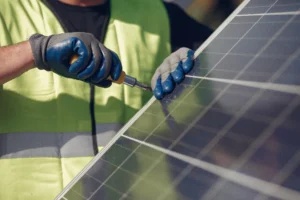
An annual inspection allows trained technicians to identify small issues before they become major problems.
Professional inspections include checking:
- Electrical connections
- Mounting hardware
- Inverter performance
- Panel condition
- Overall system efficiency
Prevent Excessive Shading
Trees continue growing over time.
Trim nearby branches when necessary to prevent new shade from reducing your solar production.
Choose a Trusted Solar Installer
Perhaps the most important step is working with an experienced installer from the beginning.
At Evergreen Solar, we use premium equipment, follow industry best practices, and design every system specifically for your home’s energy needs. Proper installation helps homeowners enjoy reliable solar performance for decades.
How to Make Solar Panels Last Longer
Although solar panels require very little maintenance, taking care of your system helps maximize its lifespan and energy production. Homeowners who follow a simple solar panel maintenance routine often enjoy better performance and lower repair costs.
Clean Your Solar Panels Regularly
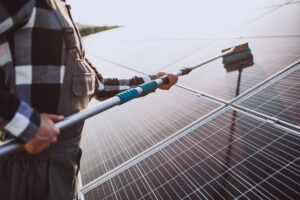
Dust, pollen, bird droppings, and leaves can reduce the amount of sunlight reaching your panels. Cleaning them two to four times a year helps maintain high efficiency. If you live in a dusty area or near trees, you may need to clean them more often.
Use clean water and a soft brush or microfiber cloth. Avoid abrasive materials or harsh chemicals that could damage the protective glass.
Schedule Professional Inspections
A professional inspection once a year helps identify issues before they become expensive repairs. During an inspection, a technician can check:
- Solar panel condition
- Mounting hardware
- Wiring and electrical connections
- Inverter performance
- Overall system efficiency
At Evergreen Solar, our experienced team provides complete system inspections to ensure your solar investment continues performing at its best.
Monitor Your Energy Production
Most modern solar systems include monitoring software that lets you track daily electricity production.
If you notice a sudden drop in output, it could indicate:
- Dirty solar panels
- Shading from growing trees
- Inverter problems
- Damaged wiring
- Faulty panels
Finding these problems early helps prevent long-term performance loss.
Trim Nearby Trees
Trees provide shade, but too much shade reduces solar production. Regularly trimming branches helps your panels receive maximum sunlight throughout the day.
This simple step can significantly improve annual energy production.
Choose High-Quality Equipment
Not all solar systems are built the same. Premium solar panels, reliable inverters, and durable mounting systems generally last longer and perform better over time.
Evergreen Solar installs trusted, high-quality solar products designed for long-term durability, high efficiency, and dependable performance.
Are Solar Panels Worth It in the Long Run?
For most homeowners, the answer is yes.
Although installing a solar system requires an upfront investment, the long lifespan of today’s panels makes them an excellent long-term financial decision.
Benefits include:
- Lower monthly electricity bills
- Protection against rising utility rates
- Increased home value
- Reduced carbon footprint
- Decades of clean, renewable energy
Most homeowners recover their investment through energy savings within several years. After that, the electricity your system generates is largely free, making the remaining years even more valuable.
The exact solar payback period depends on factors such as:
- Local electricity prices
- System size
- Available incentives
- Roof orientation
- Household energy usage
Because quality residential solar panels continue producing electricity well beyond their warranty period, many homeowners enjoy decades of savings after reaching their break-even point.
Why Homeowners Choose Evergreen Solar
Choosing the right installer is just as important as choosing the right equipment.
At Evergreen Solar, we design custom solar energy systems that match your home’s energy needs, budget, and long-term goals.
Our team focuses on:
- Premium solar panels from trusted manufacturers
- Professional installation that follows industry best practices
- Accurate system sizing for maximum savings
- Ongoing customer support
- Honest recommendations with no unnecessary upselling
Whether you’re installing your first solar system or upgrading an existing one, Evergreen Solar helps you make a confident investment that delivers reliable performance for decades.
Frequently Asked Questions
1. What is the 20% rule for solar panels?
The 20% rule means a solar system is built slightly bigger than your real power need (about 20% extra). This helps the system run safely and handle extra load.
2. How long do solar panels last before they need to be replaced?
Solar panels usually last 25 to 30 years. After that, they still work but produce less electricity.
3. What did Elon Musk say about solar energy?
Elon Musk said solar energy can power the world and is one of the best clean energy sources for the future.
4. Can I run AC with a solar panel?
Yes, you can run an AC on solar power, but you need a properly sized solar system and sometimes a battery.
Final Thoughts
So, how long do solar panels last? For most homeowners, the answer is 25 to 30 years or longer.
While solar panels slowly lose a small amount of efficiency each year, they continue producing clean electricity and helping homeowners reduce energy costs for decades. Choosing quality equipment, professional installation, and regular solar panel maintenance are the keys to maximizing your system’s lifespan.
At Evergreen Solar, we believe solar should be a long-term investment that delivers lasting value. Our experienced team designs and installs reliable solar systems built for decades of performance, helping homeowners enjoy lower utility bills, greater energy independence, and peace of mind for years to come.